
Traditional herbal remedies and African healing practices have a long cultural history across the continent. Plants, roots, leaves, bark and other natural materials may be used within traditional systems for symbolic, cultural or wellness-related purposes.
Because herbs can have real physical effects, they should be treated carefully. Traditional herbal practice should not be used to make unsupported cure claims or to discourage a person from seeking qualified medical care.
The role of herbs in traditional healing
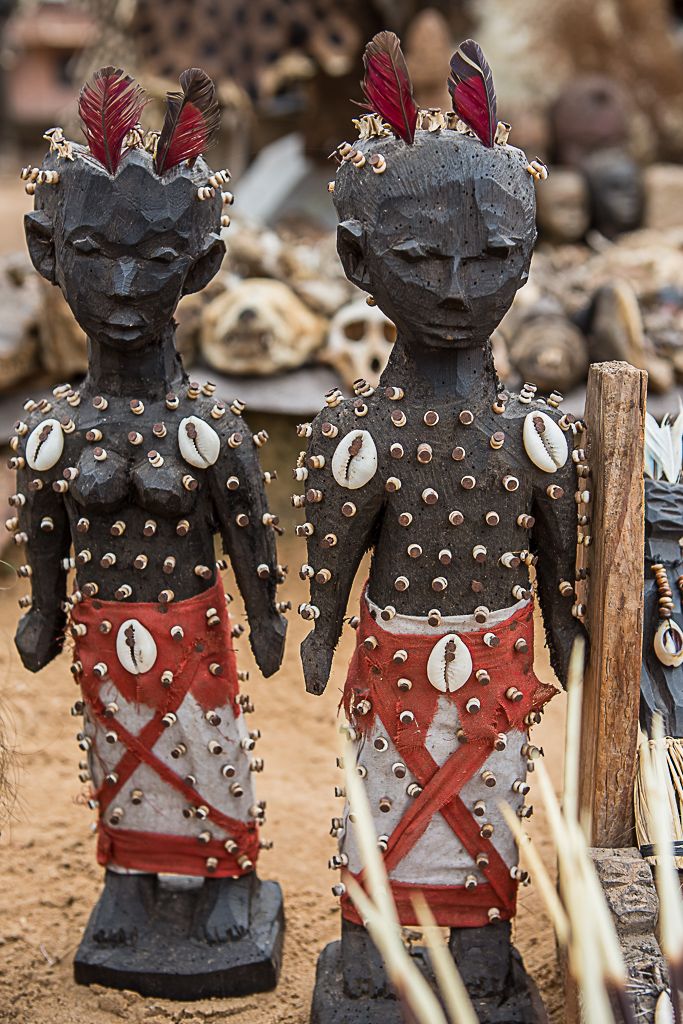
In many traditional systems, herbs are not viewed only as physical substances. They may also have symbolic or spiritual meaning and can be used alongside rituals, cleansing, bathing, smoke, protective practices or other traditional methods.
The exact use varies depending on the healer’s tradition, the plant involved and the purpose of the consultation.
Why people seek a traditional herbalist
- Interest in culturally rooted wellness practices.
- Traditional cleansing or bathing practices.
- Herbs used as part of spiritual or ritual work.
- Family or community traditions involving particular plants.
- A preference for discussing traditional practices with an experienced healer.
Herbal remedies are not automatically safe
Natural does not always mean harmless. Some plants can cause allergic reactions, interact with medicines or be unsafe in certain amounts. Pregnant people, children, older adults and people with medical conditions may require particular caution.
If a person is taking prescription medicine or has a serious health condition, they should speak with a qualified healthcare professional before using unfamiliar herbal preparations.
Avoiding medical cure claims
A responsible traditional practitioner should not promise that herbs can cure serious diseases, replace emergency treatment or guarantee recovery. Medical diagnosis and treatment should come from appropriately qualified health professionals.
Traditional practice can remain culturally meaningful without making claims that go beyond what is known or safe.
Herbs in spiritual cleansing and protection
Some traditional practices use herbs in cleansing, bathing, smoke or protective rituals. In these situations, the purpose may be spiritual or symbolic rather than medical.
Clients should understand whether a preparation is intended for external traditional use, ritual use or consumption before using it.
Discussing herbal practices with Doctor Mzeeomuut
Doctor Mzeeomuut’s services include traditional herbal practices alongside divination, cleansing, protection and other forms of traditional consultation. The appropriate method depends on the concern being discussed.
You can review the wider traditional healing services or learn more about Doctor Mzeeomuut.
Frequently asked questions
Are all traditional herbs safe to drink?
No. Some herbs may be unsafe, interact with medicines or be inappropriate for certain people.
Can traditional herbs replace medical treatment?
No. Traditional herbal practice should not replace necessary medical diagnosis, emergency care or prescribed treatment.
Are herbs used only for physical health?
No. In some African traditional systems, herbs also have symbolic, spiritual and ritual uses.
For a private enquiry about traditional herbal practice, use the contact page.
Traditional and spiritual services are based on cultural and traditional practices. Individual experiences differ, and no specific result is guaranteed. Traditional services should not replace professional medical, legal or financial advice where such advice is needed.